

The Asus ProArt PX13: Strix Halo Power in a Convertible — But at What Cost?
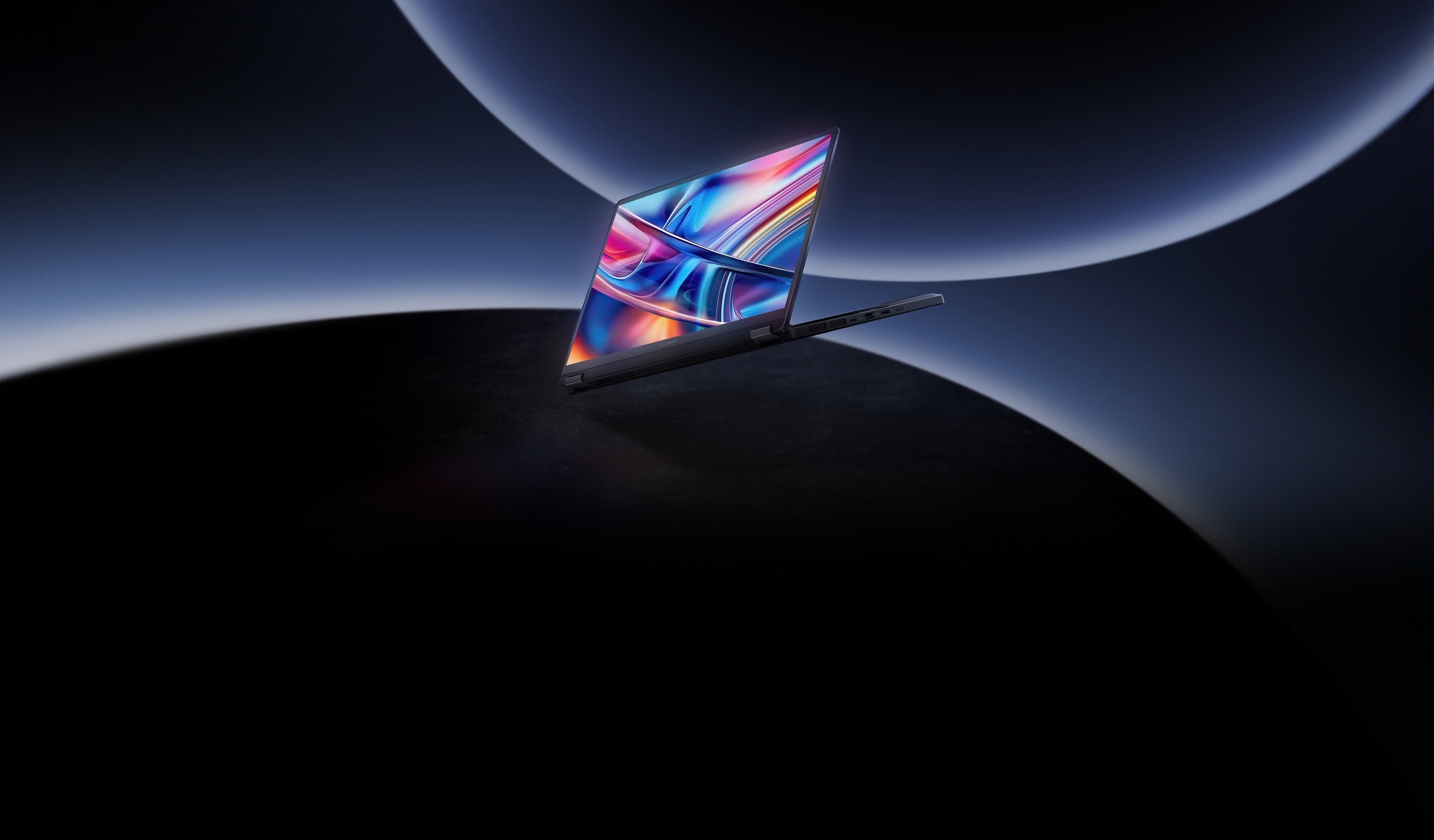
Asus has unveiled the ProArt PX13 (HN7306) — a 13.3-inch 3K OLED touch convertible laptop powered by AMD’s Ryzen AI Max+ 395 processor. At an estimated price of $2,499–$2,899 USD (approximately £1,990 GBP, €2,300 EUR, or AU$3,900 AUD), it’s positioned as a premium creative workstation in a truly portable form factor. But when you look past the ProArt branding and OLED display, the PX13 reveals some concerning trade-offs that potential buyers should consider.
Processor: AMD Ryzen AI Max+ 395 — Great Silicon, Thermal Constraints
The ProArt PX13 is powered by AMD’s most powerful mobile APU:
- 16 Zen 5 CPU cores with 32 threads
- Up to 5.10 GHz boost clock
- 40 RDNA 3.5 Compute Units as Radeon 8060S graphics
- 50 TOPS NPU for AI acceleration
However, this is a 13-inch convertible laptop, not a mini PC. The thermal constraints of a slim laptop chassis mean the Strix Halo chip will throttle significantly under sustained workloads compared to desktop-class mini PCs like the FAVM FA-EX9 or GEEKOM A7 Max, which can sustain 120W+ power draws. The ProArt PX13’s thermal design limits it to lower TDP configurations, meaning you’re not getting the full performance potential of the Ryzen AI Max+ 395.
The Real-World Difference: 50 TOPS vs The Competition
The 50 TOPS NPU is solid, but it’s not the highest available. The Ryzen AI 9 HX 370 (found in Minisforum AI X1 Pro mini PC) offers 80 TOPS, making it significantly better for local LLM inference. For AI professionals running 70B parameter models, that extra 30 TOPS can mean the difference between responsive inference and waiting minutes for a response.
Memory and Storage: The 128GB Advantage — But It’s a Laptop
The ProArt PX13 supports up to 128GB of unified memory — the maximum available in any Strix Halo device. This is where the PX13 shines for mobile professionals who need maximum RAM on the go.
However, there’s a catch: At $2,499–$2,899 USD, you’re paying a massive premium for a 13-inch convertible laptop with a Strix Halo chip. Mini PC alternatives like the FAVM FA-EX9 or GEEKOM A7 Max offer identical 128GB RAM configurations at prices $500–$1,000 lower, without the thermal throttling constraints of a slim laptop chassis.
Display and Design: Stunning OLED, But Is It Practical?
The ProArt PX13 features a stunning 3K OLED touch screen with color-accurate display — essential for creative professionals who need accurate color reproduction for photo and video editing.
The 360° convertible design allows seamless switching between clamshell, tent, and tablet modes. This adaptability makes it ideal for presentations, sketching, and creative work in any environment.
But notably: OLED displays are prone to burn-in over time, especially when running static UI elements like development IDEs or AI inference dashboards for extended periods. Mini PCs with standard LCD/IPS displays don’t have this risk.
How It Stacks Up: The Strix Halo Showdown
When you’re shopping for Strix Halo performance, the ProArt PX13 faces different competitors depending on your needs:
vs. Mini PC alternatives (FAVM FA-EX9 / GEEKOM A7 Max, ~$1,800–$2,200 USD):
- Mini PCs offer identical processor and 128GB RAM at significantly lower prices
- Mini PCs can sustain higher TDPs (120W+) without thermal throttling
- Mini PCs include OCuLink for eGPU expansion; the PX13 does not
- The PX13’s 13-inch OLED convertible form factor is unique, but comes at a $500–$1,000 premium
vs. Minisforum AI X1 Pro mini PC (Ryzen AI 9 HX 370, 80 TOPS NPU, ~$1,600–$2,000 USD):
- The AI X1 Pro’s 80 TOPS NPU significantly outperforms the PX13’s 50 TOPS for local AI inference
- The AI X1 Pro includes OCuLink + dual USB4 for better expandability
- The PX13’s laptop form factor is more portable, but the mini PC offers superior performance per dollar
Community Reviews & Benchmarks
Here’s a comprehensive review of the Asus ProArt PX13 from the community:
This review covers the 13.3-inch OLED convertible design, Ryzen AI Max+ 395 performance in a laptop chassis, and real-world benchmarks that help put the $2,499–$2,899 price point into perspective.
The Verdict: Premium Creative Laptop or Overpriced Compromise?
The Asus ProArt PX13 offers impressive hardware with 16-core Ryzen AI Max+ 395, 128GB unified memory, and a stunning 3K OLED convertible display. However, at $2,499–$2,899 USD (£1,990 GBP, €2,300 EUR, AU$3,900 AUD), you’re paying a significant premium for the ProArt brand and laptop form factor.
The good:
- 128GB RAM configuration is ideal for unquantized 70B+ LLMs on the go
- 3K OLED touch screen with color-accurate display for creative professionals
- 360° convertible design offers versatile form factors
- Asus’s ProArt branding and build quality
The bad:
- Priced significantly higher ($2,499–$2,899) than mini PC alternatives offering identical or superior specs
- Thermal throttling under sustained workloads due to slim laptop chassis constraints
- 50 TOPS NPU is outperformed by the Ryzen AI 9 HX 370’s 80 TOPS in competing mini PCs
- OLED display prone to burn-in with static UI elements
- Lacks OCuLink for eGPU expansion
Who should buy it: Creative professionals who prioritize portable, color-accurate OLED displays and need 128GB RAM on the go, and who are willing to pay a premium for Asus’s ProArt branding.
Who should avoid it: AI professionals or power users who want the best performance per dollar, OCuLink expansion capability, or sustained thermal performance. Mini PC alternatives offer far better value.
Rating: 6.5/10 — Stunning OLED display and portable form factor marred by premium pricing, thermal throttling constraints, and missing features like OCuLink. It’s a luxury creative laptop, not the most efficient Strix Halo machine.

